A hybrid energy system combines two or more energy sources , typically solar PV, battery energy storage (BESS), and a diesel or gas generator , under a single intelligent energy management system (EMS) that optimises dispatch from each source to minimise cost, maximise reliability, and reduce emissions. For Virtual Bridge clients in Africa, Lebanon, and across the GCC, hybrid systems address the realities of unreliable or absent grid supply, high diesel fuel costs, and the compelling economics of solar and battery storage. Delivered by A&S Mechanical & Renewable Energy alongside Virtual Bridge’s integrated electrical and MEP contracting scope, every hybrid system is engineered from a first-principles energy model — sizing each component to the actual load profile, grid reliability data, and fuel cost — and commissioned with an EMS that genuinely minimises operating cost, not one that simply keeps the generator running.
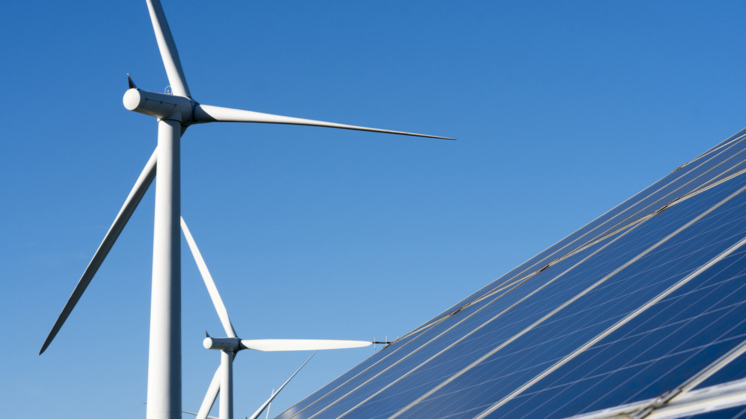
Virtual Bridge designs hybrid systems from the specific combination of energy sources that makes sense for the load, the site, and the economics — not from a single product catalogue configuration.
Hybrid system design is an optimisation problem — finding the combination of solar capacity, battery capacity, and generator specification that delivers the required reliability at the lowest total cost of ownership over the system's lifetime. Virtual Bridge approaches this from first principles energy modelling, not from generic product configurations.
Every hybrid system component is sized to the actual load profile and solar resource. Oversizing the battery adds cost without improving reliability once the battery is large enough to bridge overnight demand. Oversizing the solar array beyond what the battery can absorb results in curtailment — wasted generation. Undersizing either results in excessive generator runtime.
Virtual Bridge uses hourly energy simulation over a full year — solar generation modelled from PVsyst using TMY irradiance data, load profile from actual interval meter data or equipment schedules, and battery dispatch modelled against the target minimum generator runtime and maximum battery depth of discharge — to identify the combination of solar capacity, battery capacity, and generator rating that meets the reliability target at the lowest NPV cost.
Virtual Bridge manages the complete hybrid system project lifecycle — from load data collection, fuel cost analysis, and energy simulation through solar PV design, BESS specification, generator selection, EMS configuration, civil works, electrical installation, system integration, commissioning, and ongoing O&M. The hybrid system is co-delivered with the site's electrical infrastructure, HVAC load, and fuel management systems under A&S Mechanical and Virtual Bridge's integrated delivery model.
For remote African sites, Virtual Bridge includes logistics planning (equipment transport, customs clearance, in-country installation team mobilisation), local civil contractor coordination for equipment foundations and enclosures, satellite monitoring system commissioning for remote performance visibility, and local technician training for first-line maintenance.
A reference of Virtual Bridge's hybrid system technical scope — covering generation technologies, storage, generator integration, EMS platforms, and monitoring systems.
Virtual Bridge designs hybrid systems for every sector where grid supply is absent, unreliable, expensive, or insufficient — from Lebanese residential villas to African airport terminals and GCC industrial campuses.
A selection of Virtual Bridge hybrid energy system projects across the GCC, Lebanon, and Africa.
Virtual Bridge designs hybrid systems from the actual fuel cost and load data — producing a bankable fuel saving prediction before equipment is ordered — then commissions the EMS to deliver those savings in the real operating environment, with performance verified against the model at the first monthly review.
Whether you need a feasibility study for an African off-grid site, a Lebanese residential hybrid, a commercial solar + BESS + grid system, or an industrial microgrid — the Virtual Bridge and A&S Mechanical renewable energy team is ready to respond within one business day.
