How much solar PV can a typical commercial building in the GCC install and what will it generate?
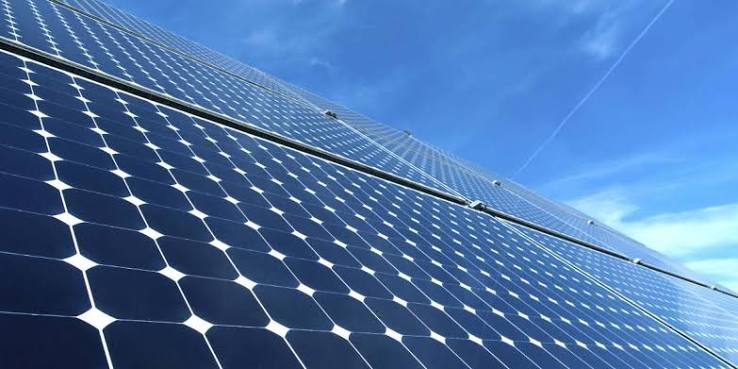
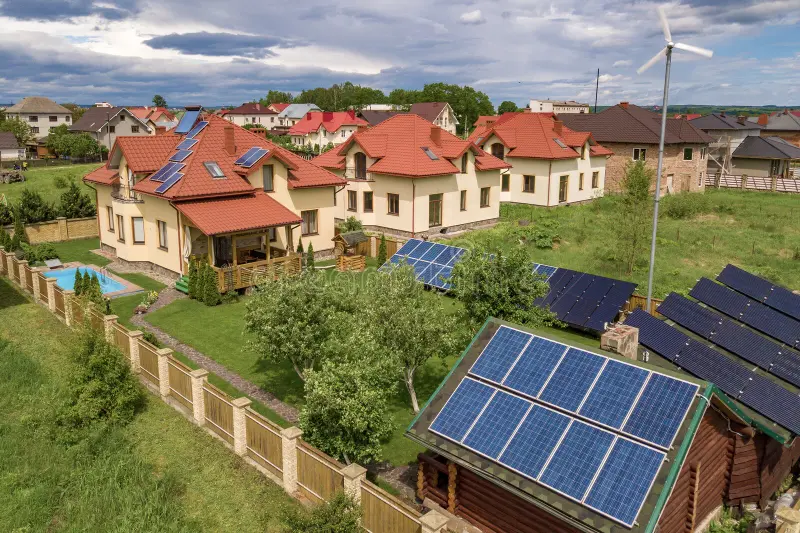
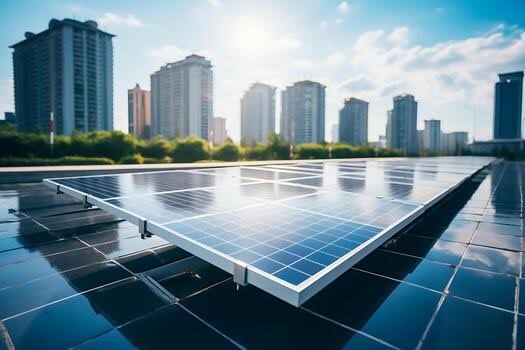
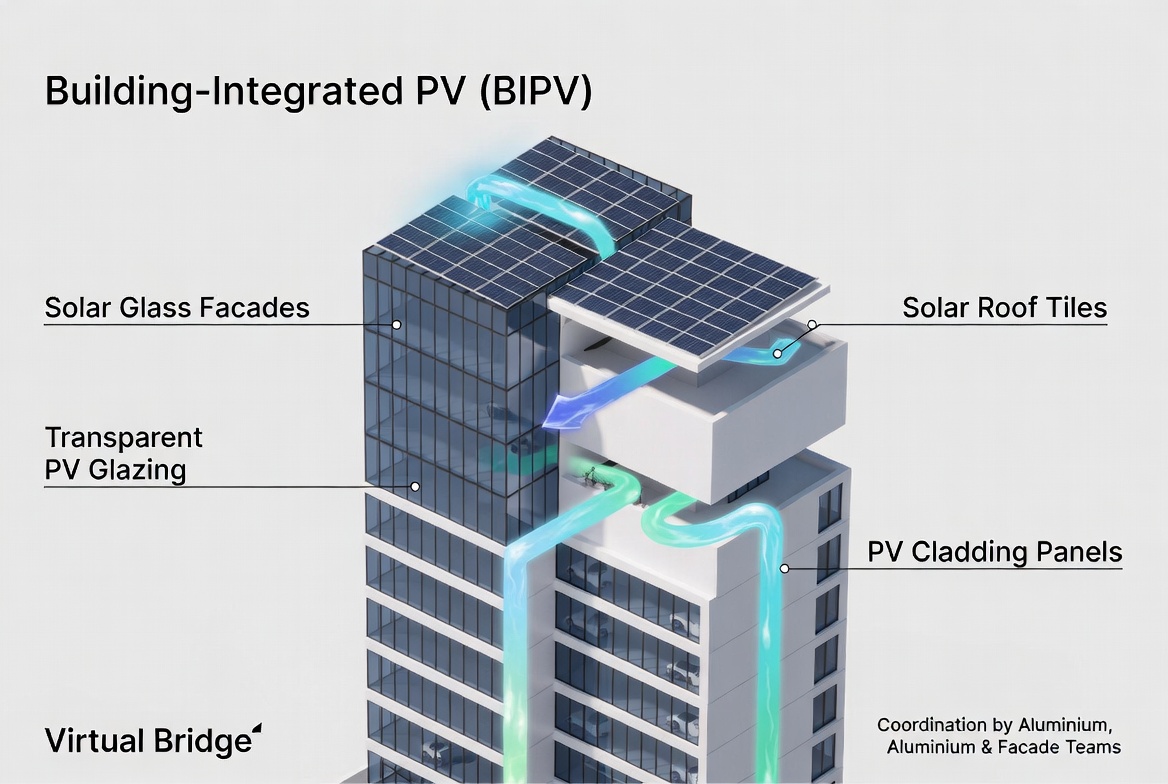
The available solar capacity depends on the usable roof area — accounting for setbacks, equipment, and shading from rooftop plant. A rule of thumb is approximately 5–7 kWp per 40 m² of usable roof area using standard monocrystalline panels. A 2,000 m² flat roof in Riyadh with 60% usable area (1,200 m²) could accommodate approximately 150–200 kWp of solar PV. At Riyadh's specific yield of approximately 1,800 kWh/kWp/year, this would generate 270,000–360,000 kWh per year. For a building consuming 800,000 kWh/year, this represents a 34–45% energy offset — a significant reduction in electricity bills that typically provides a simple payback of 5–8 years in Saudi Arabia at current commercial tariff rates. Virtual Bridge performs this analysis for every project using actual consumption data and the building's specific roof geometry.
What is the difference between a grid-tied, off-grid, and hybrid solar PV system?
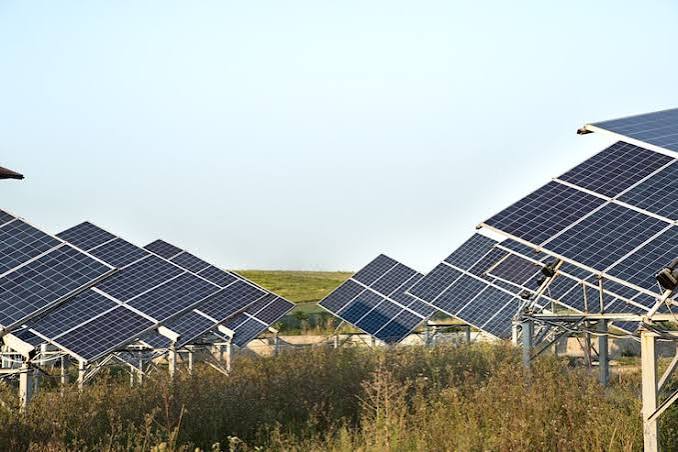
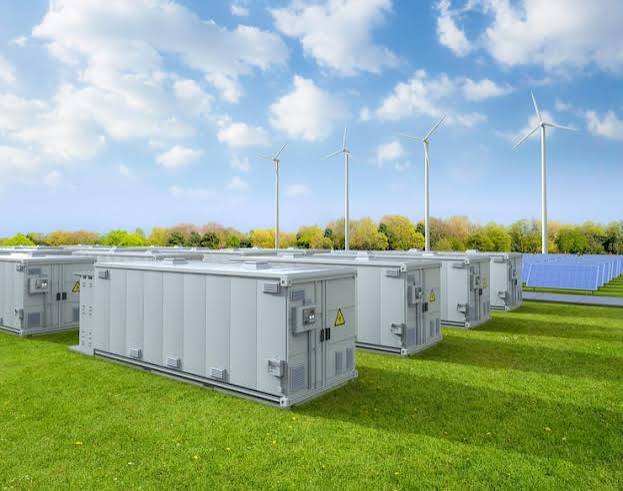
A grid-tied system connects directly to the utility grid — solar generation is used to offset grid electricity consumption, and surplus is exported (where net metering is available). When the grid is unavailable, a grid-tied system shuts down for safety reasons. This is the most common commercial system type in GCC cities with reliable grid supply. An off-grid system has no grid connection — all power is supplied by solar plus battery storage, with a generator backup for extended low-irradiance periods. Off-grid systems are specified in locations without grid access and in African project territories with unreliable or non-existent grid supply. A hybrid system has both a grid connection and battery storage — operating as grid-tied when the grid is available, charging the battery from solar surplus, and providing backup power from the battery if the grid fails. Hybrid systems are the preferred choice for critical facilities (hospitals, data centres, hotels) and for buildings where both self-consumption maximisation and grid backup are required.
Does solar PV performance degrade significantly in Gulf heat and dust conditions?
Two Gulf-specific factors affect solar PV performance: high temperatures and dust soiling. Solar panels lose approximately 0.3–0.5% of output per degree Celsius above their standard test condition temperature (25°C). In Gulf summer conditions, panel temperatures can reach 65–75°C, causing 12–25% power reduction versus the nameplate rating. This is accounted for in the PVsyst yield model — which uses actual temperature data to predict real-world generation rather than the standard test condition rating. Dust soiling is the second significant factor — sand and dust accumulation on panels can reduce generation by 10–25% between cleaning cycles in dusty Gulf environments. Virtual Bridge specifies panel cleaning intervals as part of the O&M plan and uses soiling loss data from the specific location in the PVsyst model. Panels with hydrophobic anti-soiling coatings are available and specified for sites with high dust exposure. The combination of high irradiance and manageable soiling means GCC solar systems still outperform most global locations even accounting for these factors.
What is net metering and is it available in Saudi Arabia and the UAE?
Net metering allows solar PV system owners to export surplus generation to the grid and receive bill credits at an agreed tariff — effectively using the grid as a virtual battery when solar generation exceeds on-site consumption. In Dubai, DEWA's Shams Dubai programme provides net metering for residential and commercial solar systems up to 500 kW, with exported units credited against future electricity bills. In Abu Dhabi, ADDC and AADC have net metering arrangements for eligible solar systems. In Saudi Arabia, the SEC Self-Generation Regulations permit commercial and industrial customers to install solar PV and offset their electricity bills through self-generation, with arrangements for surplus export under qualifying conditions. Virtual Bridge manages the utility application and metering setup as part of the solar project scope, and advises on the current net metering policy applicable to the specific project in each territory — as these policies continue to evolve across GCC utilities.
How long do solar panels and inverters last, and what maintenance do they need?
Solar panels have a typical product warranty of 10–12 years and a performance warranty of 25–30 years — guaranteeing that output will not degrade below 80–85% of nameplate rating over the warranty period. Annual degradation is typically 0.4–0.5% per year for premium panels, meaning a 25-year-old panel still produces approximately 85–90% of its original output. String and central inverters have a typical lifespan of 10–15 years and will require replacement once or twice over the panel lifetime. Inverter replacement cost should be included in the project financial model. Maintenance requirements for GCC installations: panel cleaning every 4–12 weeks depending on location and soiling rate (this is the highest-frequency maintenance task and the most important for maintaining yield), annual electrical connection inspection and torque check, annual inverter health check and performance data review, and 5-yearly structural mounting inspection. Virtual Bridge provides PPM contracts covering all of the above — with cleaning frequency calibrated to the measured soiling loss rate at the specific site.
Can solar PV generation data be used for LEED, Estidama, or Vision 2030 compliance?
Yes. On-site renewable energy generation contributes to multiple green building rating and compliance frameworks. For LEED, solar PV generation contributes to the Energy and Atmosphere credit Renewable Energy Production — with points awarded based on the percentage of the building's total energy cost met by on-site renewables. Virtual Bridge provides the PVsyst yield report, metered generation data, and system documentation in the format required for LEED submission. For UAE Estidama Pearl Rating, on-site renewable energy contributes to the Energy Pearl credits — specifically Pearl 7.0 (Energy Efficient Building Systems) and the associated renewable energy provisions. For Saudi Vision 2030 energy intensity reporting, metered solar generation data reduces the reported energy consumption per square metre — Virtual Bridge's BMS-integrated monitoring provides the monthly and annual generation data required for submission. Carbon offset calculations — converting kWh of solar generation to tonnes of CO₂ avoided at the grid's emission factor — are also provided for CSR and sustainability reporting purposes.