virtual bridge

VirtualBridge - Navigation Header

Energy Efficiency Consulting

Virtual Bridge’s Energy Efficiency Consulting service identifies and quantifies the energy savings available in existing buildings and new developments — through detailed energy audits, ASHRAE-level engineering analysis, retrofit feasibility studies, and green building certification support. Unlike a sales-driven energy assessment that recommends whatever equipment the contractor happens to sell, Virtual Bridge’s consulting service is grounded in measured data, first-principles engineering, and a transparent financial model for every recommendation — whether that recommendation is HVAC optimisation, lighting retrofit, building envelope improvement, solar PV, or simply better operational practices. Delivered by A&S Mechanical & Renewable Energy’s engineering team, working independently of any specific equipment sale, the consulting output is a roadmap the client can act on with or without Virtual Bridge as the implementation contractor.

Renewable Energy — A&S Mechanical & Renewable Energy / Virtual Bridge Co.

Typical Identified Savings
15–35%
Of building energy consumption — verified, not estimated
Audit Standard
ASHRAE
Level 1, 2 & 3 energy audit methodology
Green Building Support
LEED+
Estidama, Vision 2030 & ISO 50001 documentation
A&S Group Expertise
25+
Years via A&S Mechanical & Renewable Energy
Consulting Services

From energy audit to verified savings — the complete consulting scope.

Virtual Bridge delivers the full energy efficiency consulting lifecycle — measurement, analysis, recommendation, and verification — for clients seeking to reduce energy consumption, comply with sustainability frameworks, or build the business case for retrofit investment.

ASHRAE Energy Audits
ASHRAE Level 1 (walk-through assessment), Level 2 (detailed survey with energy modelling), and Level 3 (investment-grade audit with detailed engineering analysis and verified financial returns) energy audits — quantifying current energy consumption by end use, identifying efficiency opportunities, and providing a prioritised list of measures ranked by financial return and implementation complexity.
ASHRAE Level 1/2/3Energy BreakdownROI Ranked
Building Energy Modelling & Simulation
Whole-building energy simulation using eQUEST, DesignBuilder, or IES VE — calibrated against actual utility billing data to create an accurate baseline model. The calibrated model is then used to test the energy impact of proposed efficiency measures before any capital is committed, and to support green building energy performance submissions.
eQUESTDesignBuilderCalibrated Model
HVAC & Mechanical Retrofit Engineering
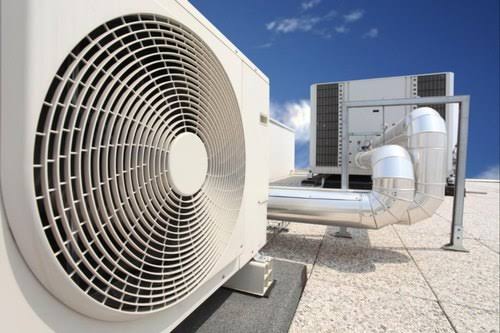
Detailed engineering analysis of existing chiller plant, AHU, and control system performance against current best practice — chiller efficiency benchmarking, control sequence audit and optimisation, low-cost/no-cost operational improvements, and capital retrofit recommendations with full financial modelling. Coordinated with A&S Mechanical's HVAC team for implementation feasibility.
Chiller PlantControls AuditRetrofit ROI
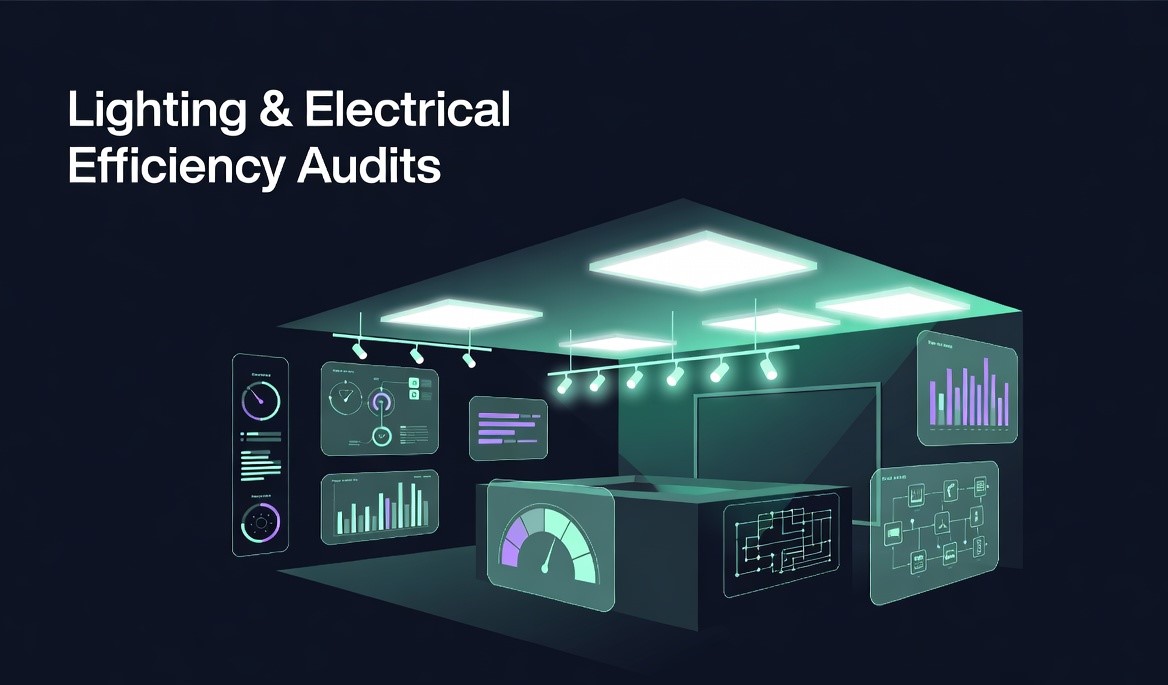
Lighting & Electrical Efficiency Audits
LED retrofit feasibility and ROI analysis, lighting control opportunity assessment (occupancy sensing, daylight harvesting, scene control), power factor correction analysis, and electrical distribution loss assessment — identifying the electrical-side efficiency measures that often have the shortest payback of any retrofit category.
LED RetrofitPower FactorFast Payback
Green Building Certification Support
Energy performance documentation and credit strategy for LEED Energy & Atmosphere credits, UAE Estidama Pearl Rating energy credits, Saudi Vision 2030 energy compliance reporting, and ISO 50001 Energy Management System implementation — providing the technical analysis and documentation required for certification submission and renewal.
LEEDEstidamaISO 50001
Measurement & Verification (M&V)
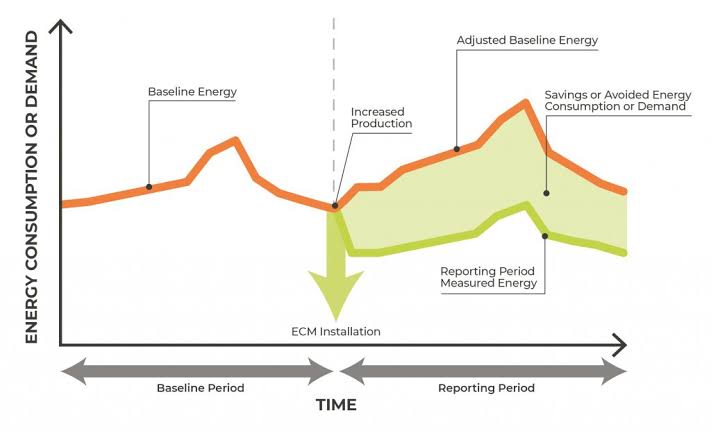
IPMVP-compliant savings verification for implemented efficiency measures — establishing a robust baseline, defining the appropriate M&V option for each measure, and reporting actual achieved savings against the projected savings from the original audit. Essential for ESCO performance contracts, green loan and sustainability-linked finance reporting, and ongoing accountability for retrofit investment.
IPMVPVerified SavingsESCO Reporting
Independent Analysis — Recommendations Are Not Driven by What Virtual Bridge Sells
An energy audit produced by a contractor with equipment to sell carries an inherent conflict of interest — every recommendation tends to point toward the equipment the contractor profits from selling. Virtual Bridge's consulting deliverable presents the full range of efficiency measures ranked purely by financial return and technical merit — including low-cost operational measures that require no capital investment, measures that another contractor would implement, and measures (such as solar PV or BESS) that Virtual Bridge can implement through A&S Mechanical's renewable energy team. The client receives an objective roadmap and decides independently how to proceed, with or without Virtual Bridge as the implementation partner.
Audit Methodology

ASHRAE-level rigour — three levels of analysis depth.

Virtual Bridge follows the ASHRAE energy audit standard — a three-tier methodology that scales the depth of analysis to the project's investment scale and the client's decision-making requirements.

The Three ASHRAE Audit Levels

Level 1 — Walk-Through Assessment
A site visit and utility bill review identifying obvious low-cost and no-cost efficiency opportunities — operational schedule adjustments, simple control changes, and basic facility observations. Provides an initial estimate of potential savings (typically ±25–50% accuracy) to determine whether further investigation is warranted.
Level 2 — Detailed Energy Survey & Analysis
Detailed equipment inventory, sub-metering of major end uses, calibrated baseline energy model, and quantified savings estimates (typically ±20% accuracy) for each identified efficiency measure with preliminary cost estimates. The most commonly requested audit level for organisations building a retrofit business case.
Level 3 — Investment-Grade Audit
Detailed engineering analysis with hour-by-hour simulation, detailed cost estimates from contractor quotations, and savings projections accurate enough (typically ±10% accuracy) to support capital investment decisions, green financing applications, and performance contract guarantees. Required for large capital retrofit programmes and ESCO performance contracts.

What Every Audit Includes

12-Month Utility Bill Analysis
Historical electricity, water, and gas consumption analysed by month, demand pattern, and tariff structure — establishing the baseline against which all savings are measured.
Site Walk-Through & Equipment Inventory
Physical inspection of HVAC, lighting, building envelope, and major equipment — recording nameplate data, operating condition, and control configuration for all major energy-consuming systems.
Energy End-Use Breakdown
Energy consumption disaggregated by end use (HVAC, lighting, plug load, process equipment) — identifying where the largest consumption and the largest savings opportunities exist.
Prioritised Measures List with Financial Returns
Every identified efficiency measure ranked by simple payback, NPV, and IRR — allowing the client to prioritise implementation by financial return, not by which measures happen to be presented first.
Renewable Energy Opportunity
Solar PV feasibility and yield estimate included in every audit where roof or land area is available — providing the renewable energy comparison alongside conventional efficiency measures for a complete decarbonisation roadmap.
The Energy Efficiency Hierarchy — Why Audits Recommend Low-Cost Measures First
Energy efficiency engineering follows a hierarchy: behaviour and operational changes (zero or near-zero cost) come first, retro-commissioning and control optimisation (low cost, often under 1-year payback) second, equipment efficiency upgrades (moderate cost, 2–7 year payback) third, and finally renewable energy generation (the largest capital outlay but addressing remaining demand that cannot be efficiently reduced further). Implementing renewable energy before exhausting efficiency measures means paying to generate energy that a cheaper efficiency measure could have eliminated the need for entirely. Virtual Bridge's audits are structured around this hierarchy — ensuring the client captures the lowest-cost savings first before considering larger capital investments.
How We Deliver

Data collection to verified savings — one engagement.

Virtual Bridge manages the complete energy efficiency consulting engagement — from initial scoping and data collection through site survey, energy modelling, measure identification, financial analysis, report delivery, and (where the client proceeds with implementation) measurement and verification of actual achieved savings.

Because the consulting team operates within A&S Mechanical and Virtual Bridge's broader contracting capability, recommended measures can be implemented seamlessly by the same group of companies that performed the audit — eliminating the handover gap that often occurs when an independent audit firm's recommendations must be re-scoped by a separate implementation contractor.

IPMVP Measurement & Verification — Proving the Savings Actually Happened
An efficiency measure's projected savings are only meaningful if they are verified after implementation. Virtual Bridge applies the International Performance Measurement and Verification Protocol (IPMVP) — the global standard methodology for confirming actual energy savings — to compare metered post-implementation consumption against a normalised baseline, adjusted for weather and occupancy changes. This is critical for clients using green financing, ESCO performance contracts, or sustainability-linked loans, where lenders and investors require independently verifiable savings data, not contractor claims.
01
Scoping & Data Collection
Agree audit level (ASHRAE 1, 2, or 3), collect 12 months of utility billing data, building drawings, equipment schedules, and operating hours information from the client before the site visit.
02
Site Survey & Sub-Metering
Physical walk-through and equipment inspection, temporary sub-metering of major end uses (HVAC, lighting, process loads), control system review, and building envelope assessment.
03
Energy Modelling & Measure Analysis
Calibrated baseline energy model, identification and engineering analysis of efficiency measures, savings calculation for each measure, and preliminary cost estimation from A&S Mechanical's internal cost database or contractor quotations for Level 3 audits.
04
Report Delivery & Client Review
Full audit report with energy breakdown, prioritised measures list, financial analysis (payback, NPV, IRR), implementation roadmap, and renewable energy opportunity assessment — presented to the client with a walkthrough of findings and recommendations.
05
Implementation Support & M&V (Optional)
Where the client proceeds with implementation — by Virtual Bridge or another contractor — Virtual Bridge can provide IPMVP M&V services to verify actual achieved savings against the audit projections, providing the accountability data required for financing and sustainability reporting.
Technical Capabilities

Tools, standards, and reporting frameworks.

A reference of Virtual Bridge's energy efficiency consulting technical scope — covering audit standards, simulation software, sub-metering equipment, and the frameworks used for reporting and verification.

Audit Standard
ASHRAE
Level 1, 2 & 3 audit methodology
Verification Standard
IPMVP
Global standard for measurement & verification
Simulation Tools
3+
eQUEST, DesignBuilder, IES VE
Typical Audit Accuracy
±10–20%
Level 2/3 savings projection accuracy

Standards & Methodology

ASHRAE Energy Audit Standard
ASHRAE Procedures for Commercial Building Energy Audits — Level 1, 2, and 3 methodology applied for every audit engagement, ensuring consistent rigour and a recognised industry standard for the analysis.
IPMVP M&V Framework
International Performance Measurement and Verification Protocol — Options A through D applied depending on measure type, providing internationally recognised savings verification for financing and reporting purposes.
ASHRAE 90.1 Energy Standard Benchmarking
Existing building performance benchmarked against ASHRAE 90.1 minimum energy efficiency requirements — identifying the gap between current performance and the modern energy code baseline.
ISO 50001 Energy Management Systems
Implementation support for ISO 50001-compliant Energy Management Systems — energy policy development, energy review and baseline, objectives and targets, and the management review cycle required for certification.
LEED & Estidama Credit Documentation
Energy and Atmosphere credit documentation for LEED, and Energy Pearl credit documentation for Estidama — formatted to the specific submission requirements of each rating system.
Saudi Vision 2030 Energy Reporting
Energy intensity reporting aligned with Saudi Vision 2030 building energy efficiency targets — providing the consumption data and improvement roadmap government and private sector clients need for compliance reporting.

Tools & Equipment

eQUEST Building Energy Simulation
DOE-2-based building energy simulation software — widely used for ASHRAE-compliant baseline modelling and retrofit measure analysis, with strong HVAC system modelling capability.
DesignBuilder / EnergyPlus
EnergyPlus-based detailed building simulation with strong 3D modelling capability — used for complex buildings requiring detailed thermal and HVAC interaction analysis, and LEED energy modelling submissions.
IES Virtual Environment (VE)
Integrated environmental design software for detailed thermal comfort, daylighting, and energy analysis — particularly used for green building certification submissions requiring detailed compliance modelling.
Power Quality & Sub-Metering Equipment
Calibrated power loggers, current transformers, and BTU meters for temporary sub-metering during the audit period — providing measured data rather than estimated end-use breakdowns.
Thermal Imaging & Building Envelope Assessment
Infrared thermal imaging cameras for building envelope thermal bridging assessment, insulation gap identification, and air infiltration investigation — supporting envelope efficiency measure recommendations.
Lux Meters & Lighting Survey Equipment
Illuminance measurement equipment for lighting level surveys — confirming whether existing lighting meets occupant requirements before recommending lighting retrofit measures that maintain or improve lighting quality.
Sectors We Serve

Every building type. Every consulting objective.

Virtual Bridge has delivered energy efficiency consulting across every major building sector — each with its own energy intensity, retrofit opportunity, and regulatory or sustainability driver.

Commercial Office
Office building audits identifying HVAC, lighting, and plug load efficiency opportunities — supporting LEED recertification, ASHRAE 90.1 compliance, and operating cost reduction programmes.
Hospitality
Hotel energy audits — guest room HVAC and lighting efficiency, kitchen and laundry equipment optimisation, pool and spa energy management, and sustainability certification support for international hotel brand requirements.
Healthcare
Hospital energy audits accounting for 24/7 critical operations — ventilation rate optimisation without compromising infection control, central plant efficiency, and energy benchmarking against healthcare-specific intensity standards.
Government & Civic
Government building energy audits supporting Vision 2030 public sector energy reduction targets — portfolio-wide audit programmes, ISO 50001 implementation, and renewable energy feasibility studies.
Education
School and university campus audits — large HVAC and lighting loads with predictable occupancy schedules, strong demand-controlled ventilation opportunity, and campus-wide energy management system implementation.
Industrial & Logistics
Industrial energy audits covering process equipment efficiency, compressed air system optimisation, industrial HVAC, and demand charge management — typically the highest-savings sector due to large baseline consumption.
Retail & Shopping Malls
Mall energy audits — large HVAC zones, refrigeration efficiency for grocery anchors, lighting retrofit across common areas, and tenant energy benchmarking for landlord sustainability reporting.
Data Centres
Data centre PUE (Power Usage Effectiveness) audits — cooling system optimisation, containment improvements, and economiser opportunity assessment for the most energy-intensive building type in the portfolio.
Selected Projects

Energy savings identified. Verified. Delivered.

A selection of Virtual Bridge and A&S Mechanical energy efficiency consulting engagements across the GCC and Africa.

Hospitality — Saudi Arabia
Carlton Almoaibed Hotel Complex
Dammam, Saudi Arabia
HVAC Audit · Lighting Retrofit · BMS Optimisation
Residential — Lebanon
ADMA 751
Adma, Lebanon · 8,000 sqm · 2024
Energy Audit · Solar PV Feasibility · Efficiency Roadmap
Airport — Angola
Multi-Airport Energy Programme
Angola
Audit · Diesel Reduction Analysis · Renewable Feasibility
Commercial — GCC
Commercial Portfolio Energy Programme
Saudi Arabia & UAE
ASHRAE Level 2 Audits · LEED Support · M&V Reporting
Infrastructure — DRC
Banana Seaport
Democratic Republic of Congo
Fuel Consumption Audit · Hybrid Feasibility · Savings Model
Government — Saudi Arabia
Government Facility Energy Audits
Saudi Arabia
ASHRAE Audits · Vision 2030 Reporting · ISO 50001 Support
Why Virtual Bridge

Engineering-grade analysis. Implementation-ready recommendations.

Virtual Bridge's energy efficiency consulting combines ASHRAE-grade engineering rigour with A&S Mechanical's deep MEP and renewable energy implementation capability — meaning every audit recommendation is technically grounded and operationally realistic, not a generic checklist of best practices.

ASHRAE-Grade Methodology
Every audit follows the recognised ASHRAE Level 1/2/3 methodology with calibrated energy modelling — not a generic checklist walkthrough. Savings projections are accurate enough to support capital investment decisions.
Independent, Equipment-Agnostic Analysis
Recommendations ranked by financial return and technical merit, not by what Virtual Bridge sells. Low-cost operational measures are presented alongside larger capital retrofits — giving the client the full picture.
Seamless Implementation Pathway
Where the client proceeds with implementation, A&S Mechanical's HVAC, electrical, and renewable energy teams can deliver the recommended measures directly — eliminating the handover gap between audit and execution.
IPMVP-Verified Results
Post-implementation savings verification to the global IPMVP standard — providing the accountability and reporting data required for green financing, ESCO contracts, and sustainability disclosure.
Common Questions

Frequently Asked Questions

The right audit level depends on what decision the audit needs to support. A Level 1 walk-through is appropriate as a first step for a building owner who wants a quick, low-cost initial indication of whether further investigation is worthwhile — it identifies obvious opportunities but provides only rough savings estimates (±25–50% accuracy), not enough to commit significant capital. A Level 2 detailed survey is the most commonly commissioned audit type — appropriate for a building owner building a business case for retrofit investment, requiring savings estimates accurate enough (±20%) to prioritise measures and seek internal budget approval, but not necessarily bankable for external financing. A Level 3 investment-grade audit is required when the savings projections need to be bankable — for ESCO performance contracts where the contractor guarantees savings, for green financing or sustainability-linked loans where lenders require verified projections, or for major capital programmes where the financial risk of inaccurate projections is significant. Virtual Bridge recommends the appropriate level based on the client's decision-making context during the initial scoping conversation.
In Virtual Bridge's GCC and Africa project experience, a typical commercial building energy audit identifies total potential savings of 15–35% of current energy consumption across the full range of measures (operational, low-cost retrofit, and capital retrofit combined). This range varies significantly based on the building's age, the sophistication of its existing controls, and how recently it has had energy efficiency work done. A building that has never had a BMS optimisation or controls review will typically have the largest savings opportunity in the low-cost/no-cost category — often 5–15% of consumption achievable through control sequence corrections and operational schedule adjustments alone, at near-zero capital cost. A building with already well-optimised controls will have a smaller low-cost opportunity but may still have significant capital retrofit opportunity (equipment upgrades, lighting retrofit, renewable energy) depending on the age of the installed equipment. Virtual Bridge does not provide a generic savings percentage before conducting the audit — the actual figure is determined from the building's specific data and condition.
There is no obligation for the client to use Virtual Bridge or A&S Mechanical for implementation. The audit deliverable is a technically complete roadmap that any qualified contractor could implement — with sufficient engineering detail (equipment specifications, control sequence requirements, financial justification) that the client can put it out to competitive tender if they choose. This is intentional: Virtual Bridge's consulting service is structured to provide genuinely independent analysis, not a sales tool for the contracting business. That said, many clients do choose to proceed with Virtual Bridge or A&S Mechanical for implementation, because the audit team's deep knowledge of the specific building (developed during the survey and analysis) provides continuity value, and because A&S Mechanical's HVAC, electrical, and renewable energy capabilities mean most recommended measures can be delivered under one contracting team without re-tendering or re-scoping.
The International Performance Measurement and Verification Protocol (IPMVP) is the globally recognised standard methodology for quantifying the actual energy savings achieved from an efficiency project — comparing metered post-implementation energy consumption against a normalised baseline that accounts for changes in weather, occupancy, and operating conditions between the baseline period and the reporting period. IPMVP defines four measurement options (A through D) with different levels of rigour and cost, applied depending on the measure type and the materiality of the savings being verified. M&V matters because a projected savings figure from an audit is an estimate — the only way to know whether the savings were actually achieved is to measure them after implementation using a defensible, internationally recognised methodology. This is particularly important for ESCO (Energy Service Company) performance contracts, where the contractor's payment is tied to verified savings, and for green financing or sustainability-linked loans, where lenders and investors require independently verifiable data rather than contractor claims. Virtual Bridge provides IPMVP-compliant M&V services for clients implementing efficiency measures, whether or not Virtual Bridge performed the implementation.
Yes. Energy performance is one of the largest credit categories in both LEED (Energy and Atmosphere) and Estidama (Energy Pearl credits), and a calibrated building energy model — the type of analysis produced in a Level 2 or Level 3 audit — is exactly the documentation required for these submissions. For LEED, Virtual Bridge's energy modelling demonstrates the building's performance against the ASHRAE 90.1 baseline, supporting the Optimize Energy Performance credit, and Virtual Bridge's renewable energy yield analysis supports the Renewable Energy Production credit where solar PV is installed. For Estidama, the calibrated model and renewable energy assessment support the relevant Energy Pearl credit requirements for Abu Dhabi developments. Virtual Bridge structures the audit deliverable to be directly usable as green building submission documentation — avoiding the need for a separate energy modelling exercise specifically for certification purposes.
Timeline depends on the audit level and building size. A Level 1 walk-through audit for a single building typically takes 1–2 weeks from site visit to report delivery. A Level 2 detailed audit, including temporary sub-metering for 2–4 weeks to capture a representative period of building operation, typically takes 6–10 weeks total. A Level 3 investment-grade audit, including detailed engineering design and contractor cost quotations, typically takes 10–16 weeks. The client needs to provide 12 months of utility billing data (electricity, water, and gas where applicable), building drawings (architectural and MEP if available), equipment schedules or nameplate data where available, and site access for the survey team and for temporary sub-metering equipment installation. Virtual Bridge provides a detailed information request at the start of the engagement to ensure the right data is collected efficiently.

Ready to discuss your energy efficiency consulting needs?

Whether you need an ASHRAE Level 1 walk-through, a detailed Level 2 audit to build a business case, an investment-grade Level 3 audit, or green building certification support — the Virtual Bridge and A&S Mechanical consulting team is ready to respond within one business day.

Related Services

Where Audit Recommendations Lead

HVAC Systems
HVAC retrofit and control optimisation — typically the largest savings category identified in commercial building audits. Delivered by A&S Mechanical's HVAC team.
View service
Solar PV Systems
Renewable energy feasibility included in every audit — Virtual Bridge can deliver the recommended solar PV system directly through A&S Mechanical's renewable energy team.
View service
Building Management Systems
BMS retrofit and control sequence optimisation — frequently the highest-ROI measure identified in an energy audit, with payback often under one year.
View service
Energy Storage Solutions
BESS recommendations for peak demand shaving and renewable self-consumption — sized and financially modelled as part of the audit's renewable energy assessment.
View service