What is Virtual Bridge's relationship with McKeon and what does "trading partner" mean?
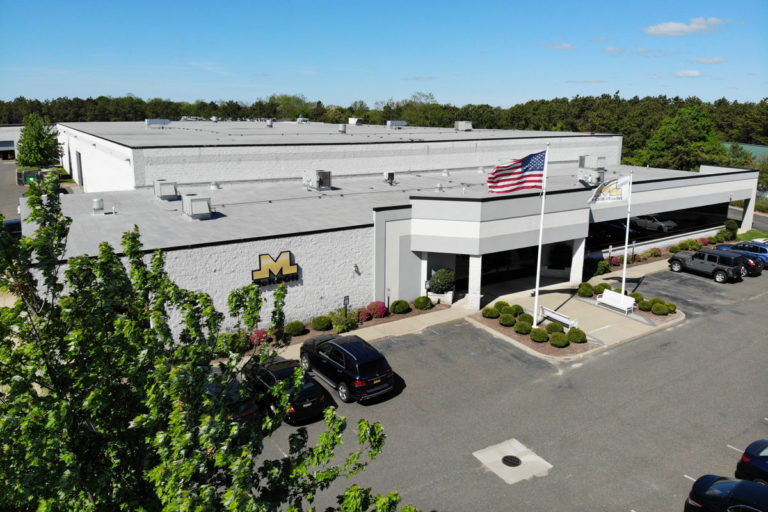
Virtual Bridge is McKeon's regional trading partner for the GCC and Africa — meaning Virtual Bridge is the authorised channel through which McKeon door products are supplied, ordered, and supported across these territories. McKeon manufactures the door systems in the US to its tested and certified specifications. Virtual Bridge manages everything on the regional side — product selection support, opening verification, factory order configuration, import logistics, customs clearance, site installation by factory-trained teams, commissioning, and warranty registration. This relationship means clients across the GCC and Africa do not need to deal directly with a US manufacturer for lead times, shipping, customs, or installation — Virtual Bridge provides a single regional point of contact for the complete product lifecycle.
How do I know which McKeon product is right for my opening?
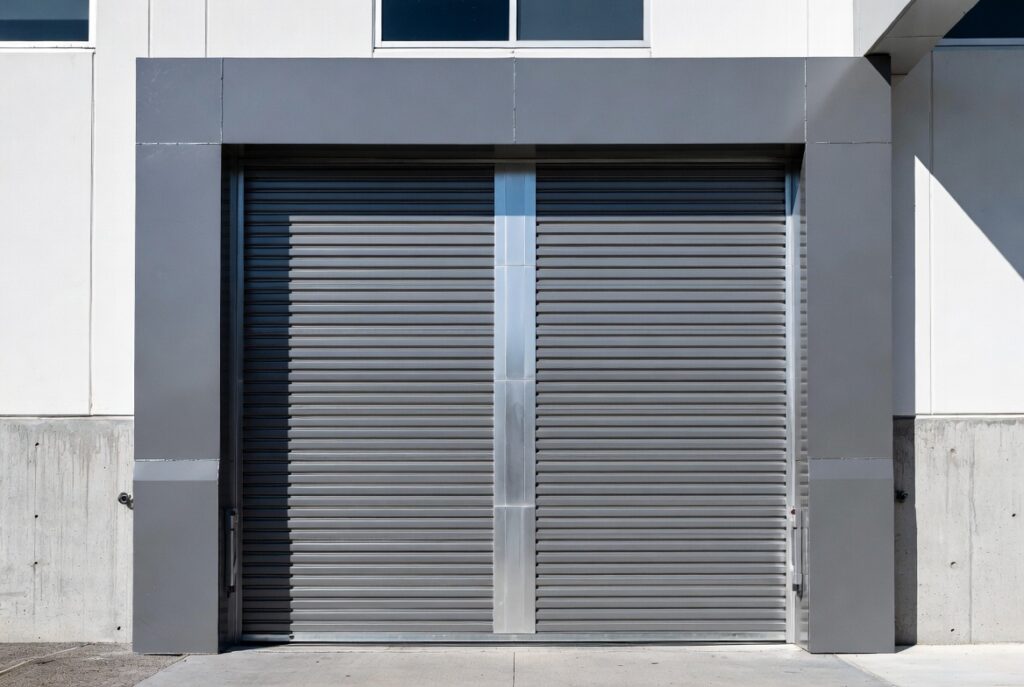
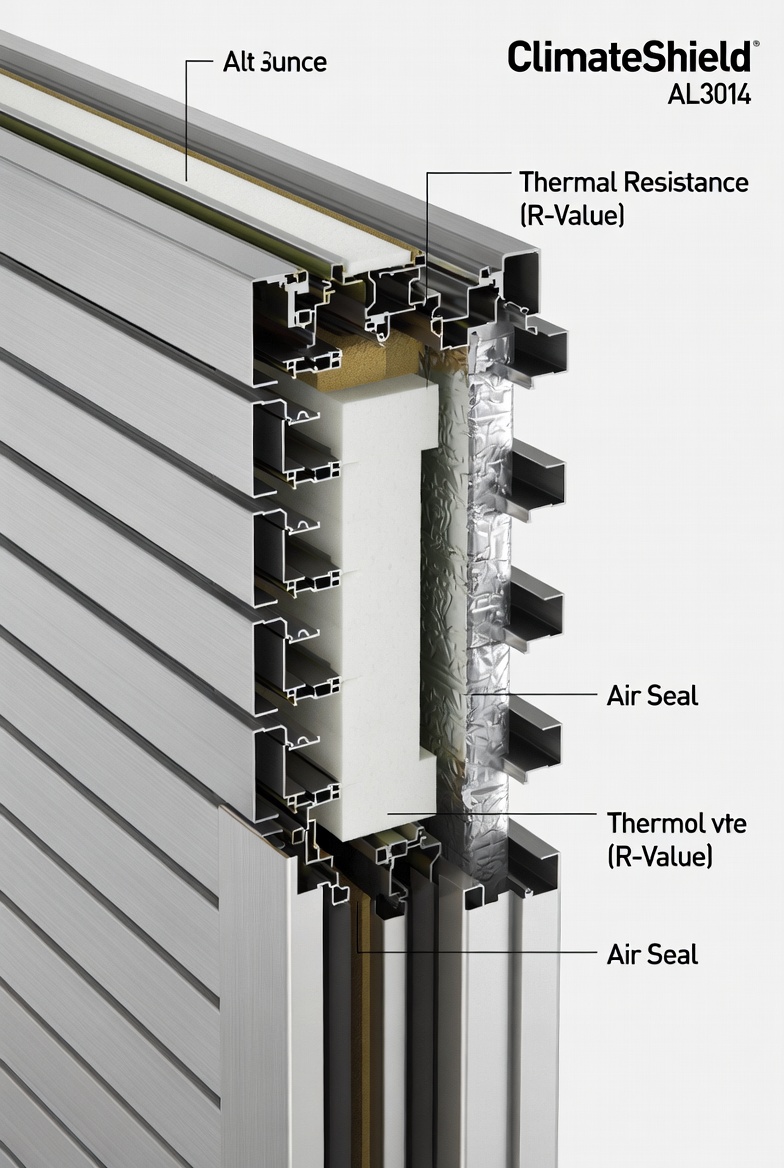
Product selection starts with the opening's actual performance requirement, not the catalogue. If the opening requires fire compartmentation and resistance to forced entry simultaneously — common at secure server rooms, controlled substance storage, or high-value asset storage areas that are also part of the fire compartmentation strategy — EntryShield FE6000 is the appropriate product. If the opening is a loading dock, cold storage entry, or warehouse access point where thermal performance and acoustic containment are the priority, ClimateShield AL3014 is the appropriate product. If the opening is a security boundary at a government, defence, or petrochemical facility that must withstand a defined blast overpressure event, BlastShield BL6000 is the appropriate product, specified in coordination with the project's blast consultant for the specific design loading. Virtual Bridge's specification process begins with a conversation about the opening's actual requirement — driven by the architect, fire engineer, or security consultant's brief — before recommending a specific product.
What is the typical lead time for a McKeon door from order to delivery in the GCC?
Lead time depends on the product complexity and current factory order volume, but as a general guide, factory manufacturing typically takes 8–14 weeks from confirmed order to ex-factory dispatch for project-specific configurations, with blast-rated and large custom openings at the longer end of this range. Shipping and customs clearance to GCC ports typically adds 3–6 weeks depending on the origin port and destination territory. Virtual Bridge manages this entire timeline and provides a confirmed delivery date at order confirmation — and where project programmes require faster turnaround, Virtual Bridge can advise on stocked standard configurations that may be available with shorter lead times for openings that match common standard sizes. Early engagement during the design phase — well before the construction programme requires the door on site — is strongly recommended given these lead times, particularly for fire-rated and blast-rated configurations that cannot be substituted with a generic alternative once construction has progressed.
Can a McKeon door be integrated with the building's fire alarm and access control systems?
Yes. EntryShield FE6000 fire-rated doors include a fire alarm release interface as standard — the door automatically closes on activation of the building fire alarm signal, via a dry contact relay output connected to the fire alarm panel. This integration is essential to the door's function as a fire compartmentation element and is tested as part of the door's commissioning. For openings requiring controlled access (rather than simply fire-rated closure), McKeon doors can be configured for access control integration — motorised operation triggered by an authorised credential at an access control reader. Virtual Bridge's low current contracting team handles this integration where the project also includes VB's access control or fire alarm scope, ensuring the door's fire and security interfaces are coordinated and commissioned as part of the building's broader life-safety and security systems rather than left as a standalone mechanical installation.
How is the blast resistance rating of BlastShield BL6000 determined for a specific project?
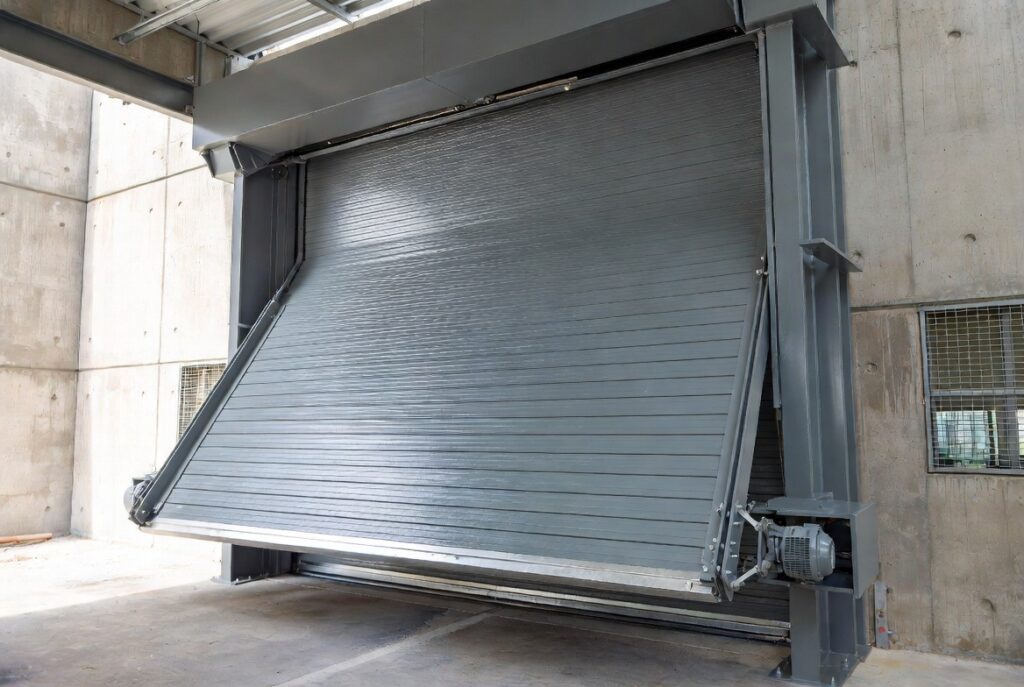
Blast resistance requirements are project-specific — determined by the project's blast consultant based on the facility's threat assessment, the standoff distance from potential threat locations, and the applicable design code or government standard for the facility type (such as UFC 4-010-01 for US government facilities, or an equivalent regional standard). The blast consultant defines the required overpressure and impulse loading that the door must withstand without compromising structural integrity or allowing the opening to fail. Virtual Bridge coordinates directly with the project's blast consultant to confirm the BlastShield BL6000 configuration meets the specified design loading — this is not a standard catalogue selection but a project-specific engineering coordination exercise, often requiring submission of test data and engineering calculations to the consultant for review and approval before the factory order is confirmed.
Does Virtual Bridge provide ongoing maintenance for McKeon doors after installation?
Yes. Virtual Bridge provides planned preventive maintenance for installed McKeon door systems — covering motor and operator service, track and roller inspection and lubrication, safety edge and sensor functional testing, spring tension verification, fire alarm interface testing for fire-rated doors, and door panel inspection for damage or wear. Maintenance frequency is typically quarterly or biannual depending on the door's cycle frequency and criticality — a high-traffic loading dock door requires more frequent service than a low-cycle secure storage door. Maintenance is particularly important for fire-rated EntryShield doors, where the fire alarm release interface and emergency egress operation modes must be verified periodically to confirm continued life-safety compliance. Spare parts supply and reactive call-out support are also available across all Virtual Bridge operating territories.